
Quick answer: To choose a high-quality wig, check seven things: the hair or fiber, the hairline, the lace, the cap, the density, the size and the seller. A good wig should look natural, feel comfortable, fit securely and match the way you plan to wear it.
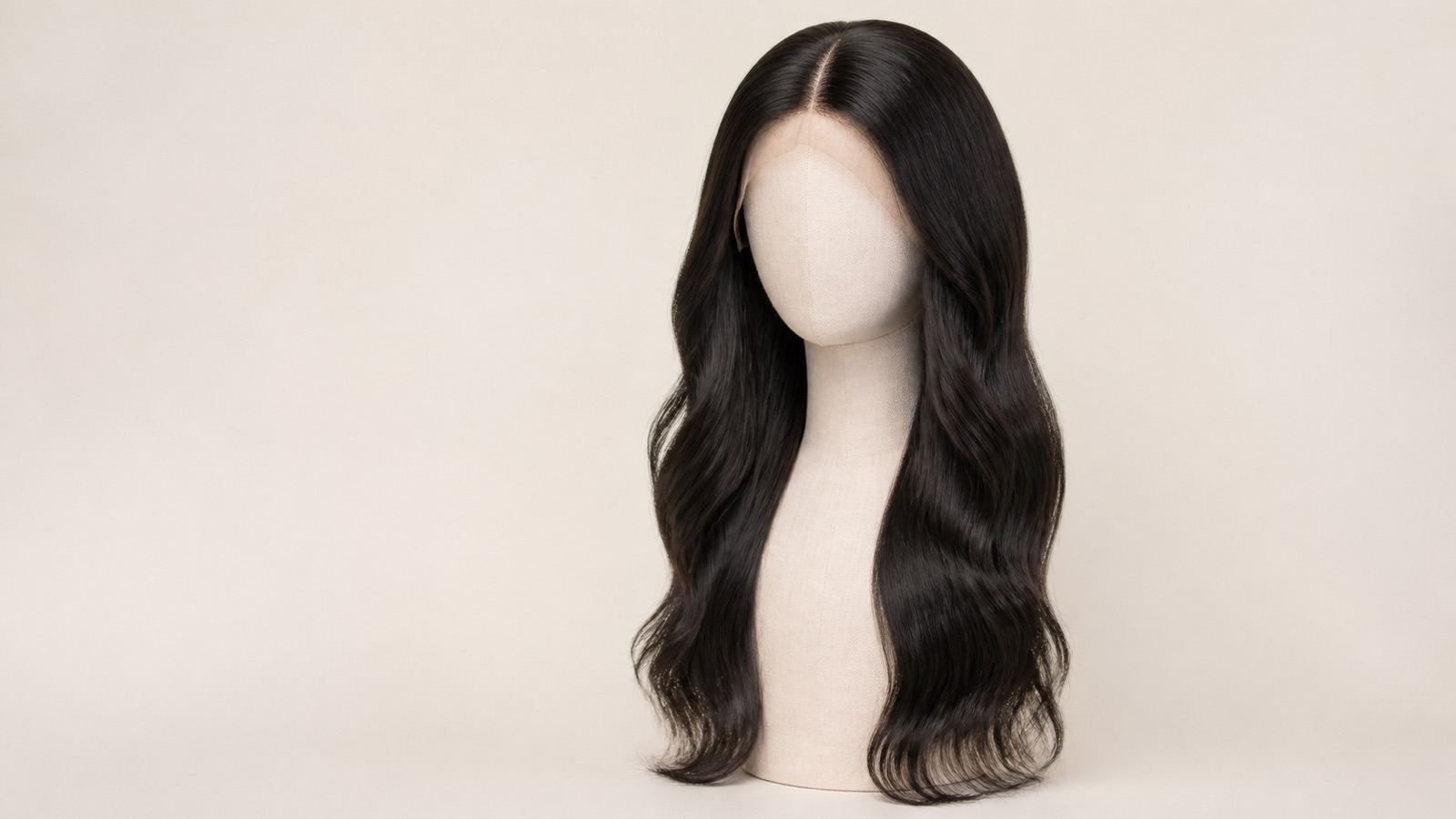
At first, buying a wig can feel confusing. Product pages use words such as “HD lace,” “Remy hair” and “150% density,” but those words do not always tell you whether a wig is right for you.
That is why this simple guide explains how to choose a high-quality wig before you buy. You will learn what to check, which features matter most and how to avoid common mistakes.
What makes a wig high quality?
A high-quality wig has five main qualities:
- It looks natural at the hairline and part.
- The hair or fiber feels soft and moves well.
- The cap feels comfortable and stays in place.
- The density looks balanced from the roots to the ends.
- The product details are clear and honest.
The best wig is not always the most expensive one. It is the wig that fits your head, your routine, your budget and the look you want.
How to choose a high-quality wig: 7 easy checks
1. Choose the right hair type
Start with one simple question: Do you want easy care or more styling freedom?
Human hair wigs can look and move like natural hair. They can usually be washed and restyled, but they need regular care. They may also react to rain and humidity, just like growing hair.
Synthetic wigs keep their shape well and are often easier for beginners. Many are ready to wear after a gentle shake. Only use hot tools when the product is clearly marked as heat-friendly, and follow its temperature instructions.
| Feature | Human hair wig | Synthetic wig |
|---|---|---|
| Look and movement | Very natural | Natural when the fiber is good |
| Daily care | More care | Less care |
| Styling | More flexible | Limited unless heat-friendly |
| Weather | Can react to humidity | Usually holds its style |
| Best for | People who enjoy restyling | Beginners and quick routines |
Explore Velora Wig’s synthetic hair wigs if you want a simple, ready-to-wear option.
2. Look closely at the hairline and part
For example, a natural hairline should not look like one thick, straight wall of hair. Look for a soft edge, a believable part and a smooth change from lace to hair.
Small, neat knots can be harder to see than large knots. A well-made part should also show a little scalp-like space. Baby hairs can help, but they should not be used to hide a heavy or uneven hairline.
A lace wig is a useful choice when a natural-looking front and flexible parting matter to you.
3. Check the lace quality
Lace sits near your skin, so it should feel soft and lie flat. Good lace is thin enough to blend but strong enough for careful use.
Before buying, check:
- Where the lace is placed: front, closure, 360 or full lace
- How much parting space you get
- Whether the lace color can blend with your skin
- Whether the edge looks smooth in close-up photos
However, more lace can give you more styling choices, but it can also require more time and care. A simple lace front may be easier for a first wig.
4. Inspect the cap construction
The cap is the inside of the wig. It affects comfort, airflow, fit and how the hair moves.
- Basic or wefted cap: light, breathable and often affordable.
- Lace front cap: gives a more natural front hairline.
- Monofilament part or top: helps the part look like hair is growing from the scalp.
- Hand-tied cap: allows soft, natural movement and can feel gentle on the scalp.
Also look for smooth seams, secure combs, adjustable straps and soft material around the ears and nape. If your scalp is sensitive, comfort may matter more than extra volume.
5. Pick a natural density
Wig density means how much hair is attached to the cap. A larger number means a fuller wig, but fuller does not always mean better.
For example, light or medium density often looks natural for everyday wear. Higher density works well for dramatic styles, long curls or people who enjoy a full look. The right choice also depends on the wig’s length and texture.
Check the whole wig, not only the top. The ends should not look very thin unless the style is meant to be layered.
6. Measure your head before you buy
A beautiful wig will not feel good if the cap is too tight or too loose. Use a soft tape measure and keep your hair as flat as possible.
Measure:
- Around your head, following your natural hairline
- From the front hairline to the nape
- From ear to ear across the top
Next, compare your numbers with the seller’s size chart. Do not rely only on words such as “average size.” Adjustable straps can improve the fit, but they cannot fix a cap that is far too small or too large.
7. Check the seller and product details
Finally, a trustworthy seller helps you understand exactly what you are buying. Look for clear photos, cap details, length, density, fiber type, color information and care instructions.
Ask questions when a detail is missing:
- Is the wig human hair, synthetic or a blend?
- Is the synthetic fiber heat-friendly?
- What is the cap circumference?
- Where is the lace, and how wide is the parting space?
- Is the shown length measured straight or in its natural curl?
- Can I see the inside of the cap and a close-up of the hairline?
Velora Wig offers wigs, extensions and ready-to-wear hair pieces for everyday wear, events, travel and salon styling. For product details, wholesale prices or a custom request, contact the Velora team.
How to choose a high-quality wig online: quick checklist
Use this quick list while comparing wigs:
- Hair type matches my care routine.
- Hairline looks soft in close-up photos.
- Parting space looks realistic.
- Lace is thin, smooth and suitable for my skin tone.
- Cap construction matches my comfort needs.
- Density fits the style I want.
- Length and texture are clearly explained.
- Cap size matches my measurements.
- Straps, combs and seams look secure.
- Seller answers important product questions.
Common mistakes to avoid when buying a high-quality wig
Choosing from one photo
A front photo cannot show the cap, lace, part or ends. Look for close-ups, side views and an inside-cap photo.
Thinking more density means more quality
Very high density can feel heavy and may look less natural. Instead, choose fullness for your style, not as a quality score.
Skipping the size chart
A poor fit can cause slipping, pressure or an uneven hairline. Measure first.
Using heat without checking
Some synthetic fibers can be damaged by heat. Always read the product instructions before using a straightener, curling iron or hot dryer.
Ignoring your daily routine
A wig may look beautiful but still be wrong for your life. Think about how often you will wear it, how much time you want to spend styling it and the weather where you live.
High-quality wig FAQs
How can I tell if a wig is high quality online?
Check close-up photos of the hairline and part, an inside-cap photo, clear fiber and size details, even density and care instructions. Ask the seller for missing information before you buy.
Is human hair always better than synthetic hair?
No. Human hair gives more styling freedom, while a good synthetic wig can be easier to care for and can hold its style longer. The better choice depends on your budget, routine and desired look.
What type of wig looks the most natural?
A wig with a realistic hairline, a scalp-like part, the right density and a good color match usually looks most natural. Lace-front and monofilament features can help, but fit and styling also matter.
What wig is easiest for a beginner?
A ready-to-wear synthetic wig or a simple lace-front wig with adjustable straps is often beginner-friendly. Choose a style close to the look you already enjoy so it needs less work.
How should a good wig fit?
It should feel secure without causing pressure. The ear tabs should sit evenly, the nape should lie flat and the front should line up with your natural hairline.
Final answer: choose for quality and for your life
To sum up, the easiest way to choose a high-quality wig is to look past the first photo. Check the hair, hairline, lace, cap, density, size and seller information. Then choose the option that fits your daily routine.
A good wig should help you feel comfortable, confident and ready to go. If you are unsure which style or cap is right for you, ask Velora Wig for help with product, custom and wholesale questions.
Sources and further reading
- National Alopecia Areata Foundation: Wigs and Toppers—Understanding the Basics
- City of Hope Positive Image Center: How to Choose a Wig
Related Wig Buying Guides
- Human Hair vs Synthetic Wigs: compare appearance, care, heat styling, weather, price and lifespan.
- How to Choose a Wig Manufacturer: check samples, quality control, lead time and written order terms.
- MOQ for Wholesale Wigs: understand minimum orders, mixed styles, packaging and trial orders.